Understanding Arthritis: Types and Symptoms
Before delving into management techniques, it’s essential to understand the different types of arthritis and their symptoms. Osteoarthritis, the most common type, occurs when the protective cartilage between bones wears down over time, leading to pain and stiffness. Rheumatoid arthritis, on the other hand, is an autoimmune disorder where the immune system mistakenly attacks the synovium, a membrane that lines the joints.
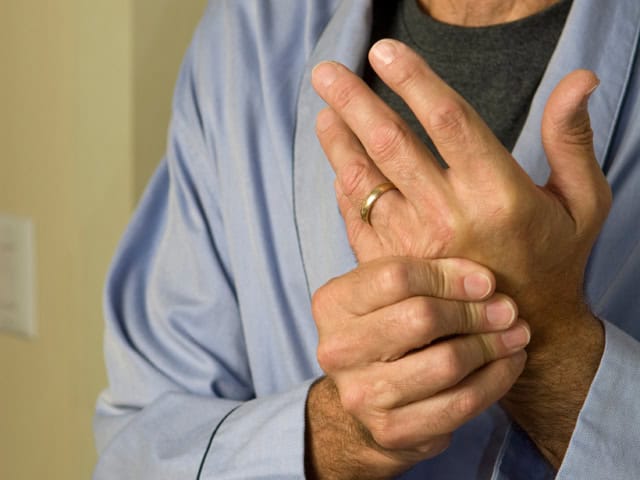
Symptoms of arthritis can vary widely, but they often include joint pain, swelling, redness, and limited range of motion. These symptoms can lead to decreased mobility and difficulty performing everyday activities. Managing arthritis requires a holistic approach that combines lifestyle changes and medical interventions.
Lifestyle Changes for Managing Arthritis:
- Maintain a Healthy Weight: Excess weight puts additional stress on joints, especially in the knees, hips, and feet. Losing weight through a balanced diet and regular exercise can significantly reduce joint pain and improve mobility.
- Stay Active: Engaging in regular low-impact exercises like swimming, walking, and cycling can help strengthen muscles around the joints, improve flexibility, and reduce pain. It’s crucial to consult a healthcare professional before starting any new exercise regimen.
- Balanced Diet: Certain foods can help manage inflammation and improve joint health. Omega-3 fatty acids found in fish, nuts, and seeds have anti-inflammatory properties. Incorporating fruits, vegetables, whole grains, and lean proteins into your diet can also have a positive impact.
- Hot and Cold Therapy: Applying heat or cold packs to affected joints can help alleviate pain and reduce inflammation. Cold packs are generally used to reduce swelling, while heat packs can relax muscles and improve blood flow.
- Physical Therapy: Working with a physical therapist can provide tailored exercises to improve joint function, strengthen muscles, and enhance mobility. These exercises are designed to be gentle on the joints while providing maximum benefit.
- Stress Management: Chronic pain can lead to increased stress, which in turn can exacerbate arthritis symptoms. Incorporate stress-reduction techniques such as meditation, deep breathing, and yoga into your routine to help manage both pain and stress.
Medical Treatment Options:
- Medications: Over-the-counter pain relievers like acetaminophen and nonsteroidal anti-inflammatory drugs (NSAIDs) can help manage arthritis pain. In more severe cases, a doctor might prescribe stronger pain medications or disease-modifying antirheumatic drugs (DMARDs) for rheumatoid arthritis.
- Injections: Corticosteroid injections can provide targeted relief by reducing inflammation in specific joints. Hyaluronic acid injections, which mimic the natural joint fluid, can also be used to alleviate pain and improve mobility.
- Surgery: For advanced cases of arthritis where conservative treatments no longer suffice, surgical options like joint replacement surgery (e.g., knee or hip replacement) might be considered. These surgeries can restore joint function and significantly reduce pain.
- Alternative Therapies: Some individuals find relief through complementary treatments like acupuncture, chiropractic care, or herbal supplements. While research on their effectiveness varies, it’s essential to consult with a healthcare provider before trying any alternative therapies.
The Importance of a Comprehensive Approach:
Managing arthritis requires a multi-faceted approach that combines lifestyle modifications, medical treatments, and ongoing communication with healthcare professionals. What works best can vary from person to person, so it’s crucial to work closely with your doctor to develop a personalized treatment plan that addresses your specific needs. For further tips and ideas about treatment options for joint pain, click to see their success stories.
In conclusion, arthritis can be a challenging condition to live with, but it doesn’t have to define your life. By making meaningful lifestyle changes and exploring various treatment options, individuals with arthritis can regain control over their lives and experience improved joint health. Remember, early intervention and a proactive approach are key to managing arthritis effectively and maintaining a fulfilling, active lifestyle.

